.png)


Digital
Service
Lorem ipsum dolor sit amet, consectetur adipiscing elit. Amet, bibendum aliquam nunc ut nulla risus.

An Educational Guide to Courts, Commerce, and Legal Remedies
This educational resource is designed to help individuals better understand foundational concepts related to courts, commerce, and legal remedy frameworks from a historical and informational perspective. The material focuses on: General explanations of how court systems are structured High-level discussion of commercial principles and transactions Informational overviews of remedy concepts as discussed in legal and academic contexts Critical thinking tools for evaluating public records, contracts, and legal terminology This resource is provided strictly for educational and informational purposes only. It does not provide legal, financial, tax, or professional advice, and it does not guarantee any legal or financial outcomes. Users are encouraged to conduct their own independent research and consult qualified professionals for advice specific to their individual situation. Stripe-Safe Disclaimer (Recommended Placement: Checkout Page + Footer) Disclaimer: This product is an educational resource only. No legal, financial, or tax advice is provided. This product does not offer services related to debt elimination, debt discharge, court filings, legal representation, or guaranteed remedies of any kind. Results vary based on individual circumstances. Use of this material does not create a professional or advisory relationship.

WHY AM I HERE? THE PARSIMONIOUS ALTER EGO vs ME AGAINST THE WORLD
The Parsimonious Alter Ego vs. Me Against the World This book is a reflective and educational work that explores how individuals respond mentally and emotionally to financial pressure, personal loss, and major life challenges such as housing instability. Through philosophical insight, personal reflection, and mindset-focused discussion, the book examines: Internal dialogue during periods of financial and emotional stress Psychological patterns that emerge when individuals feel overwhelmed or isolated The contrast between disciplined, rational thinking and reactive, emotional decision-making Personal accountability, resilience, and self-reflection during difficult circumstances This book is intended to support self-awareness, personal growth, and critical thinking. It does not provide legal, financial, or real estate advice, and it does not offer instructions, services, or guarantees related to foreclosure prevention, debt resolution, or housing outcomes. Readers are encouraged to use the material as a source of reflection and education while seeking qualified professionals for advice specific to their individual circumstances. Stripe-Safe Disclaimer (Strongly Recommended) Disclaimer: This book is for educational and informational purposes only. It does not provide legal, financial, real estate, or foreclosure advice. No outcomes are guaranteed. Reading this book does not replace professional guidance or create an advisory relationship.

HEBREWS TO NEGROES’ REBUTTAL INDENITY EXTENDED EDITION
Brothers and sisters, the Truth Never Lies! The Truth Can Never Be Silenced! I am a innocent, aggrieved man, am I wrong because I have put together a book exposing the truth? If there are a faction of people that is threatened by that, that’s because maybe they are living a lie, pushing lies and want the Truth Silenced. Sit back and enjoy this truth.This book will reveal the mistakes made by Ronald Dalton Jr in his book, “Hebrews to Negroes: Wake Up Black America.” He merely scratched the surface, with the primary topic misconstrued. This is the truth!

AH THA ( ALIF TAV) I Know My Paleo Hebrew Alphabets: Lashawan Qadash
AH THA ( ALIF TAV) I Know My Paleo Hebrew Alphabets: Lashawan QadashAH THA ( ALIF TAV) I Know My Paleo Hebrew Alphabets: Lashawan Qadash ( The Holy Tongue) Paperback

The-Negro-a-Beast-or-the-Image-of-God
"The Negro: A Beast or the Image of God" is a provocative and controversial work that explores the sociopolitical and theological implications of race, particularly concerning the African diaspora. It poses challenging questions regarding identity, humanity, and divine representation, asking whether African people are merely viewed through the lens of prejudice or recognized as creations made in the image of God. The book delves into historical narratives that have perpetuated stereotypes and discrimination, urging readers to reconsider established beliefs about race. It seeks to reclaim dignity for individuals often marginalized in society and elevate conversations about equality and mutual respect. Through a combination of historical analysis and theological reflection, it inspires dialogue on the broader implications of race and spirituality in the quest for justice and understanding. Overall, it is a significant contribution to discussions surrounding race and religion in contemporary settings.

Understanding Medical Consent, Patient Rights, and Informed Decision-Making
This educational book explores general concepts related to medical consent, patient rights, and informed decision-making within healthcare settings. Through a historical, philosophical, and informational lens, the book discusses: The principles of informed consent in medical practice How patients and healthcare providers communicate about treatment options General patient rights as commonly discussed in public health and ethics contexts The importance of personal responsibility, research, and professional consultation when making healthcare decisions This material is provided strictly for educational and informational purposes only. It does not provide medical advice, legal advice, or instructions intended to alter medical requirements, policies, or laws. The book does not include forms, directives, or documents intended to produce specific medical or legal outcomes. Readers are encouraged to consult licensed medical professionals and qualified legal advisors regarding their individual health decisions. Disclaimer: This product is an educational resource only. It does not provide medical or legal advice, does not offer documents or instructions intended to bypass medical requirements, and does not guarantee any outcome. No doctor-patient or professional relationship is created by this material. This purchase is for educational content only and does not include medical, legal, or advisory services.

Opening Bank Accounts: Alternative Identification Options
Opening Bank Accounts: Alternative Identification Options An educational guide explaining legitimate alternatives to SSN-based banking for specific populations legally exempt from SSN requirements. Topics Covered: - ITIN (Individual Taxpayer Identification Number) applications for non-citizens - Banking options for international students and workers - Credit union alternatives with different requirements - Prepaid card and digital wallet options - Requirements for non-resident accounts Who This Is For: - Non-U.S. citizens legally residing in the country - International students - Foreign workers with valid visa status - Individuals in the ITIN application process Important Legal Disclaimer: This guide covers LEGAL banking alternatives only. U.S. financial institutions are required by federal law to verify customer identity through SSN, ITIN, or other approved identification. This guide does NOT provide methods to evade legal identification requirements, tax obligations, or banking regulations. All methods discussed comply with: - Bank Secrecy Act (BSA) - USA PATRIOT Act - Customer Identification Program (CIP) requirements - IRS regulations Attempting to open accounts with fraudulent information or to evade legal requirements is a federal crime. This is informational content only, not legal or financial advice. Consult with a licensed attorney and tax professional.

Constructive Notice and Denial of Consent — An Educational Overview
This educational resource explores the concepts of constructive notice and denial of consent as they are commonly discussed in legal theory, ethics, and communication practices. The material presents a high-level, informational discussion of: How the idea of “constructive notice” is defined in academic and legal contexts General principles surrounding consent and personal boundaries The role of written communication in expressing preferences and positions Historical and philosophical perspectives on notice, agreement, and acknowledgment This resource is provided solely for educational and informational purposes. It does not provide legal advice, documents, templates, or instructions intended to create legal effect or enforce rights. No outcomes are guaranteed, and no professional or advisory relationship is formed. Readers are encouraged to consult qualified legal professionals for advice regarding their specific circumstances. Disclaimer: This product is an educational resource only. It does not constitute legal advice, does not provide enforceable notices or legal documents, and does not guarantee any legal or procedural outcome. This purchase is for educational content only and does not include legal services, advice, or document preparation.

Educational Guide: Contract Negotiation Concepts
This educational resource provides a high-level overview of the concept of “conditional acceptance” as it is discussed in administrative theory, tax literature, and general legal education. The material focuses on: How conditional acceptance is described in academic and historical discussions General principles of correspondence and response frameworks in administrative settings The importance of clarity, documentation, and professional consultation when dealing with tax-related matters Conceptual differences between acceptance, rejection, and inquiry in formal communications This resource is provided for educational and informational purposes only. It does not provide tax advice, legal advice, IRS forms, templates, or instructions. It does not claim to alter tax obligations, IRS status, audits, filings, or enforcement actions, and it does not guarantee any outcome. Readers are encouraged to consult licensed tax professionals or legal advisors for guidance specific to their individual circumstances. Disclaimer: This product is an educational resource only. It does not provide tax or legal advice, does not include IRS forms or official correspondence, and does not guarantee any tax or legal outcome. This purchase is for educational content only and does not include tax or legal services.
Educational Guide: Understanding Signature Rescission Concepts
This digital download provides educational content on concepts related to signature rescission and agreement language. It explains commonly referenced terminology, general principles, and illustrative examples for informational and self-education purposes. Disclaimer: This material is for educational purposes only. It does not provide legal advice, representation, or professional services. No outcomes, results, or guarantees are offered

Educational Guide: Contract Dispute Concepts
This educational resource provides a high-level discussion of breach of contract principles and the role of notice as it is commonly examined in contract law theory, academic study, and general legal education. The material explores: How contracts are structured and interpreted at a conceptual level Common academic definitions of contract breach The theoretical purpose of notice in contractual relationships Communication principles discussed in legal and business contexts Historical and philosophical perspectives on agreement, obligation, and accountability This resource is intended solely for educational and informational purposes. It does not provide legal advice, legal services, document preparation, or enforceable notices. No templates, forms, or instructions intended to create legal effect are included, and no legal outcomes are guaranteed. Readers are encouraged to consult licensed legal professionals for advice regarding specific contracts, disputes, or legal matters. Disclaimer: This product is provided for educational and informational purposes only. It does not constitute legal advice, legal services, or document preparation. No enforceable notices, templates, or legal instruments are included. No outcomes are guaranteed, and use of this material does not create an attorney-client or advisory relationship. This purchase is for educational content only and does not include legal services, advice, or documents.
Informational Guide: Debt Validation Letter and Awareness
This digital download provides educational content about debt-related correspondence and commonly referenced terminology. It is intended for informational and self-education purposes only, helping readers understand general principles of consumer letters and communication processes. Disclaimer: This material is for educational purposes only. It does not provide legal advice, debt relief services, or professional representation. No outcomes or results are promised.

Educational Overview: Traffic Citation Procedures Explained
A practical guide to understanding traffic citations, your legal rights, and options for responding to traffic violations. What This Guide Covers: - Understanding your traffic citation and charges - Options for responding (pay, contest, traffic school) - How to request a court hearing - Preparing for traffic court appearances - What to expect during hearings - Working with traffic attorneys - Impact on insurance and driving records - Point systems and license suspension prevention Topics Included: - Your rights during traffic stops - Documentation and evidence gathering - Common defenses to traffic violations - Negotiating reduced charges or penalties - Traffic school eligibility requirements - Understanding plea options Who This Is For: - Drivers who have received traffic citations - Anyone wanting to understand their legal options - Those considering contesting a ticket - Drivers concerned about points or insurance increases Important Disclaimer: This guide provides general educational information about traffic law and procedures. It is not legal advice and does not create an attorney-client relationship. Traffic laws vary by state and jurisdiction. For specific legal advice about your citation, consult with a licensed traffic attorney in your area. Outcomes depend on individual circumstances, evidence, and jurisdictional procedures.

Educational Guide: Understanding Vehicle Insurance Concepts
This digital download provides educational content about vehicle insurance concepts and commonly referenced terminology. It is designed for informational purposes only, helping readers understand general principles of insurance coverage and related processes. Disclaimer: This material is for educational purposes only. It does not provide insurance, financial, or professional services. No outcomes, coverage, or guarantees are offered.

Educational Guide: Understanding Notarial Procedures
educational resource explaining notary protests, their historical use in commercial transactions, and proper documentation procedures. What This Guide Covers: History and purpose of notarial protests in commercial law Traditional use in negotiable instruments (checks, promissory notes, bills of exchange) Proper format and required elements of protest documents Understanding Uniform Commercial Code (UCC) provisions regarding protests When protests are recognized in modern commercial transactions Documentation and record-keeping best practices Educational Content Included: Sample template showing standard protest format Explanation of each required component Historical context of notarial acts Overview of notary public authority and limitations Discussion of when protests may or may not be appropriate Important Context: Notary protests are primarily used in specific commercial contexts, particularly: Dishonored negotiable instruments (historically) International trade documentation Maritime commerce Certain banking transactions Who This Is For: Students of commercial law Those studying UCC Article 3 (Negotiable Instruments) Individuals researching historical commercial practices Readers interested in notarial procedures CRITICAL DISCLAIMERS: ⚠️ IMPORTANT LEGAL INFORMATION: This is an educational template only, NOT legal advice Legal Consequences Warning:Filing improper or fraudulent notarial documents, or using notary protests in ways not recognized by law, may result in: Rejection by institutions and courts Potential fraud charges Notary license violations (if you're a notary) Vexatious litigant designation Financial penalties State Law Variation:Notary powers and protest procedures vary significantly by state. What may be permissible in one jurisdiction may not be in another.This template is provided for educational and historical reference purposes only. No attorney-client relationship is created. Individual circumstances vary. Consult qualified legal counsel before taking any action.


Understanding Breach of Contract Notices: Educational Template
Breach of Contract Notice: Educational Template and Guide An educational resource explaining breach of contract principles, proper notification procedures, and sample documentation format. What This Guide Includes: - Overview of contract breach concepts and legal definitions - Explanation of material vs. minor breaches - Understanding your obligations before claiming breach - Sample template showing standard notice format - Proper documentation and evidence preservation - Timeline considerations and cure period requirements - When legal counsel is necessary Educational Topics Covered: - Elements required to establish breach of contract - Different types of contract breaches (material, anticipatory, minor) - Proper notification procedures and legal requirements - Understanding remedies available under contract law - Mitigation of damages obligations - Settlement negotiation considerations What's Included in the Template: - Standard breach notice format - Required elements and language - Documentation checklist - Sample cure period provisions - Professional business letter structure Who This Is For: - Business owners dealing with contract disputes - Individuals seeking to understand contract enforcement - Those wanting to learn proper business communication procedures - Students studying contract law CRITICAL LEGAL DISCLAIMERS: ⚠️ **EXTREMELY IMPORTANT:** This is NOT legal advice. You MUST consult an attorney before: - Sending any breach of contract notice - Taking action based on alleged breach - Terminating any contract - Making claims of non-performance Important Realities About Contract Disputes: - Simply sending a notice does not resolve a dispute - Improper breach claims can expose YOU to liability - You may be in breach yourself without realizing it - Contract law is complex and highly fact-specific - Self-help remedies can backfire and create legal problems This template is for educational purposes only. It does not create an attorney-client relationship. No outcomes are guaranteed. Individual circumstances vary significantly. Always consult qualified legal counsel before taking action in contract disputes.*

Educational Guide: Understanding Counter Offers and Conditional Acceptance
This digital download provides educational content on the concepts of counter offers and conditional acceptance. It explains commonly referenced terminology, general principles, and theoretical scenarios for informational and self-education purposes. The guide is intended to help readers better understand contract language and related document concepts. Disclaimer: This material is for educational purposes only. It does not provide legal advice, legal services, or professional representation. No outcomes, results, or guarantees are offered.

Educational Guide To Understanding Your Rights in CPS-DFCS and Juvenile Court Proceedings:
An educational resource exploring parental rights, due process protections, and legal procedures in child protective services and juvenile justice matters. What This Guide Covers: - Overview of CPS/DFCS investigation procedures and timelines - Constitutional rights during child welfare investigations - Fourth Amendment protections and home entry laws - Your right to legal representation - Understanding court procedures in dependency cases - Documentation and evidence preservation strategies - How to request case records and reports - Overview of the appeals process - Working effectively with court-appointed attorneys and caseworkers Legal Rights Discussed: - Right to refuse entry without a warrant or court order (with exceptions) - Right to remain silent during investigations - Right to be present at hearings - Right to legal counsel - Right to present evidence and witnesses - Right to appeal court decisions Who This Is For: - Parents involved in or concerned about CPS investigations - Families navigating the juvenile court system - Individuals seeking to understand child welfare law - Those wanting to know their constitutional protections What's Included: - Template questions to ask investigators - Sample documentation logs - Checklist of important information to gather - Overview of safety plan requirements - Timeline of typical case progression CRITICAL DISCLAIMERS: ⚠️ **EXTREMELY IMPORTANT - READ CAREFULLY:** This is NOT legal advice and does NOT replace an attorney. - Child welfare and juvenile law varies significantly by state - Every case has unique facts and circumstances - Improper handling of CPS cases can result in loss of parental rights - This guide does not guarantee any specific outcome - Time-sensitive deadlines may apply to your case - Certain situations legally require cooperation with authorities ALWAYS consult with a licensed family law attorney immediately when: - CPS contacts you - Your child has been removed - You receive court notices - You're asked to sign any documents Child Safety Priority: This guide assumes no abuse or neglect is occurring. If a child is in danger, appropriate authorities should be contacted immediately. Nothing in this guide should be used to interfere with legitimate child protection efforts. Legal Consequences Warning: Obstructing legitimate investigations, providing false information, or interfering with court orders can result in criminal charges and loss of custody. For educational purposes only. Laws change frequently. Consult qualified legal counsel for advice specific to your situation.
Handling a Traffic Ticket: Your Legal Options Guide
A practical guide to understanding traffic citations, your legal rights, and options for responding to traffic violations. What This Guide Covers: - Understanding your traffic citation and charges - Options for responding (pay, contest, traffic school) - How to request a court hearing - Preparing for traffic court appearances - What to expect during hearings - Working with traffic attorneys - Impact on insurance and driving records - Point systems and license suspension prevention Topics Included: - Your rights during traffic stops - Documentation and evidence gathering - Common defenses to traffic violations - Negotiating reduced charges or penalties - Traffic school eligibility requirements - Understanding plea options Who This Is For: - Drivers who have received traffic citations - Anyone wanting to understand their legal options - Those considering contesting a ticket - Drivers concerned about points or insurance increases Important Disclaimer: This guide provides general educational information about traffic law and procedures. It is not legal advice and does not create an attorney-client relationship. Traffic laws vary by state and jurisdiction. For specific legal advice about your citation, consult with a licensed traffic attorney in your area. Outcomes depend on individual circumstances, evidence, and jurisdictional procedures.

Educational Guide: Contract Structures and Consumer Agreements
An educational guide exploring adhesion contracts, their characteristics, and legal principles surrounding contract formation and enforceability. What This Guide Covers: Definition and characteristics of adhesion contracts Legal principles regarding contract formation and mutual consent Overview of unconscionability doctrine in contract law Understanding when contracts may be challenged or disputed Proper legal procedures for contract disputes Documentation and evidence preservation strategies Topics Explored: Elements that may make contracts voidable under law Difference between void, voidable, and unenforceable contracts Legal concepts: duress, fraud, misrepresentation, and unconscionability Proper notification procedures in contract disputes How courts evaluate adhesion contract challenges Who This Is For: Individuals seeking to understand their contracts better Consumers wanting to learn about contract law basics Those exploring their legal options regarding agreements they've signed Readers interested in consumer protection law Important Legal Disclaimers: ⚠️ CRITICAL INFORMATION: This is educational content only, NOT legal advice Simply declaring a contract "rescinded" or "revoked" does not make it legally void Contract disputes require proper legal procedures through courts Self-help remedies without court involvement may breach contracts and result in legal consequences Adhesion contracts are generally enforceable unless specific legal standards are met Each contract and situation is unique and governed by state law Before Taking Action: You MUST consult with a licensed attorney in your jurisdiction before attempting to: Challenge any contract's validity Stop performing under a contract Send rescission or revocation notices Take any action that could constitute breach of contract Improper attempts to rescind contracts without legal grounds can result in: Breach of contract lawsuits Financial damages and penalties Damage to credit rating Loss of rights or property State laws vary significantly. What applies in one jurisdiction may not apply in another. For educational purposes only. The information provided does not create an attorney-client relationship. Individual results will vary. No outcomes are guaranteed.

Educational Overview: Vital Records and Authentication Processes
Birth certificate authentication is an educational topic that explains how birth certificates are verified for legitimacy. This generally involves checking signatures, seals, and issuing authorities, and the process can vary by location. Learning about birth certificate authentication helps individuals understand: How documents are generally reviewed for authenticity The typical steps involved in submitting documents to government offices or agencies The role of authentication marks or seals in formal processes This information is provided for educational and informational purposes only. We do not provide legal services, verification, or official authentication of any documents. The goal is to help readers gain a better understanding of the general process so they can navigate official procedures independently.

Educational Guide: Banking Identification Requirements Overview
Opening Bank Accounts: Alternative Identification Options An educational guide explaining legitimate alternatives to SSN-based banking for specific populations legally exempt from SSN requirements. Topics Covered: - ITIN (Individual Taxpayer Identification Number) applications for non-citizens - Banking options for international students and workers - Credit union alternatives with different requirements - Prepaid card and digital wallet options - Requirements for non-resident accounts Who This Is For: - Non-U.S. citizens legally residing in the country - International students - Foreign workers with valid visa status - Individuals in the ITIN application process Important Legal Disclaimer: This guide covers LEGAL banking alternatives only. U.S. financial institutions are required by federal law to verify customer identity through SSN, ITIN, or other approved identification. This guide does NOT provide methods to evade legal identification requirements, tax obligations, or banking regulations. All methods discussed comply with: - Bank Secrecy Act (BSA) - USA PATRIOT Act - Customer Identification Program (CIP) requirements - IRS regulations Attempting to open accounts with fraudulent information or to evade legal requirements is a federal crime. This is informational content only, not legal or financial advice. Consult with a licensed attorney and tax professional.

Educational Guide: Personal Legal Declarations Explained
A sample document template exploring The declaration of a template's status is an essential communication tool within organizations, ensuring all stakeholders are aware of its current condition and usability. This declaration may indicate whether the template is active, under revision, or deprecated. It typically outlines the template's intended purpose, its applicability across projects, and any updates or changes made to improve its effectiveness. By providing clear status updates, teams can avoid confusion, optimize workflows, and maintain consistency across documentation. Regularly updating and communicating template status promotes collaboration, encourages best practices, and ultimately improves the efficiency of project management processes. Establishing a formal declaration system not only enhances transparency but also ensures everyone has the tools needed for success.

Educational Overview: Citizenship and Legal Status Concepts
A sample document template exploring The emancipation of USA citizenship This act not only changed the lives of millions but also laid the groundwork for future l rights movements. Over time, the concept of citizenship evolved, expanding to include a broader spectrum of human rights. Today, the legacy of emancipation serves as a reminder of the nation’s commitment to diversity, inclusion, and the continuous fight for the rights of all its citizens, ensuring that liberty and justice are upheld for everyone.
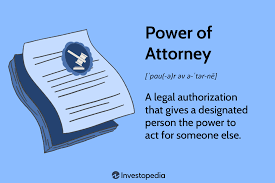
Educational Guide: Understanding Delegated Authority Documents
A sample document template exploring A general power of attorney is a legal document that grants an individual the authority to act on behalf of another person in a wide range of personal and financial matters. This authority can include managing bank accounts, signing checks, handling real estate transactions, and making healthcare decisions. The person who grants this power is known as the principal, while the appointed individual is referred to as the agent or attorney-in-fact. This arrangement can simplify decision-making processes and ensure that the principal's interests are represented even when they are unable to perform these tasks themselves. It's important to note that the powers granted under a general power of attorney can be broad, so careful consideration should be given to whom these powers are entrusted. Legal advice is often recommended to ensure that the document meets all necessary requirements and reflects the principal's wishes accurately.
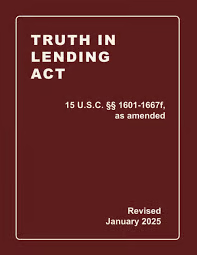
Educational Guide: Understanding Consumer Lending Disclosures
A sample document template exploring Truth in Lending Act (TILA) concepts and affidavit structure for educational purposes. What's Included: - Template format showing standard affidavit components - Overview of TILA disclosure requirements - Educational notes on federal lending regulations - Reference guide for understanding loan documentation Important Disclaimer: This is an educational template only and is NOT legal advice. This document is not a substitute for consulting with a licensed attorney. Laws vary by jurisdiction, and individual circumstances differ. Always seek professional legal counsel before submitting any legal documents or affidavits.




CORPORATION REVISED EDITION
The Corporation provides a faith-based framework for personal development and spiritual growth. This book offers practical strategies for overcoming self-limiting beliefs and aligning your life with your spiritual values and purpose. What You'll Learn: Techniques for developing mental resilience and discipline Principles for aligning your actions with your spiritual beliefs Strategies for setting and achieving meaningful personal goals A framework for building confidence and purpose-driven living Author Kahan Tazadaq draws from his personal journey and spiritual understanding to present a program designed to help readers pursue personal transformation through faith and self-discipline. This book is for you if: You're seeking to deepen your spiritual practice You want actionable strategies for personal growth You're looking to develop greater mental clarity and purpose You're committed to making positive changes in your life Results and experiences may vary. This book presents the author's personal perspectives and should be considered as one resource among many in your personal development journey.




The Infliction of Commerce Regenerated
The Infliction of Commerce: Exploring Commercial Law and Personal Sovereignty Concepts This 103-page book by Kahan Tazadaq examines alternative perspectives on commercial law, contracts, and individual rights within the legal system. Topics Explored: Overview of commercial law principles and contract theory Discussion of Secured Party Creditor (SPC) concepts and claims Introduction to private trust structures Examination of the relationship between individuals and government entities Analysis of tax systems and legal obligations from an alternative viewpoint Contract law fundamentals and their application in daily life Who This Book Is For: Readers interested in alternative legal theories Individuals exploring different perspectives on personal sovereignty Those seeking to understand commercial law concepts People interested in trust structures and asset protection strategies What to Expect: The author presents his personal interpretations and experiences with commercial law and administrative processes. The book offers step-by-step explanations of concepts the author has studied and applied in his own life. Legal Disclaimer The materials provided by Kahan Tazadaq, including but not limited to books, documents, videos, webinars, and seminars (the "Content"), are for informational and educational purposes only. The Content is not intended as professional advice or as a substitute for professional, legal, financial, medical, or any other kind of expert consultation. While every effort has been made to ensure the accuracy and reliability of the information contained in the Content, Kahan Tazadaq makes no representations or warranties, either express or implied, regarding the accuracy, completeness, or suitability of the Content for any particular purpose. The use of the Content is at your own risk, and Kahan Tazadaq is not liable for any errors or omissions in the Content, nor for any actions taken based on the information provided. The Content is provided "as is," without any warranties of any kind, express or implied. Kahan Tazadaq does not guarantee that the Content will meet your requirements, be error-free, or operate uninterrupted. Any reliance you place on the Content is strictly at your own risk. By accessing or using the Content, you agree to indemnify and hold harmless Kahan Tazadaq, its affiliates, and its agents from any claims, losses, liabilities, damages, costs, or expenses (including legal fees) arising from your use or reliance on the Content. Kahan Tazadaq reserves the right to modify, update, or remove any portion of the Content at any time without prior notice.

The Infliction of Commerce Hardcover
The Infliction of Commerce: Exploring Commercial Law and Personal Sovereignty Concepts This 103-page book by Kahan Tazadaq examines alternative perspectives on commercial law, contracts, and individual rights within the legal system. Topics Explored: Overview of commercial law principles and contract theory Discussion of Secured Party Creditor (SPC) concepts and claims Introduction to private trust structures Examination of the relationship between individuals and government entities Analysis of tax systems and legal obligations from an alternative viewpoint Contract law fundamentals and their application in daily life Who This Book Is For: Readers interested in alternative legal theories Individuals exploring different perspectives on personal sovereignty Those seeking to understand commercial law concepts People interested in trust structures and asset protection strategies What to Expect: The author presents his personal interpretations and experiences with commercial law and administrative processes. The book offers step-by-step explanations of concepts the author has studied and applied in his own life. Legal Disclaimer The materials provided by Kahan Tazadaq, including but not limited to books, documents, videos, webinars, and seminars (the "Content"), are for informational and educational purposes only. The Content is not intended as professional advice or as a substitute for professional, legal, financial, medical, or any other kind of expert consultation. While every effort has been made to ensure the accuracy and reliability of the information contained in the Content, Kahan Tazadaq makes no representations or warranties, either express or implied, regarding the accuracy, completeness, or suitability of the Content for any particular purpose. The use of the Content is at your own risk, and Kahan Tazadaq is not liable for any errors or omissions in the Content, nor for any actions taken based on the information provided. The Content is provided "as is," without any warranties of any kind, express or implied. Kahan Tazadaq does not guarantee that the Content will meet your requirements, be error-free, or operate uninterrupted. Any reliance you place on the Content is strictly at your own risk. By accessing or using the Content, you agree to indemnify and hold harmless Kahan Tazadaq, its affiliates, and its agents from any claims, losses, liabilities, damages, costs, or expenses (including legal fees) arising from your use or reliance on the Content. Kahan Tazadaq reserves the right to modify, update, or remove any portion of the Content at any time without prior notice.

The Infliction of Commerce Audio Book
The Infliction of Commerce: Exploring Commercial Law and Personal Sovereignty Concepts This 103-page book by Kahan Tazadaq examines alternative perspectives on commercial law, contracts, and individual rights within the legal system. Topics Explored: Overview of commercial law principles and contract theory Discussion of Secured Party Creditor (SPC) concepts and claims Introduction to private trust structures Examination of the relationship between individuals and government entities Analysis of tax systems and legal obligations from an alternative viewpoint Contract law fundamentals and their application in daily life Who This Book Is For: Readers interested in alternative legal theories Individuals exploring different perspectives on personal sovereignty Those seeking to understand commercial law concepts People interested in trust structures and asset protection strategies What to Expect: The author presents his personal interpretations and experiences with commercial law and administrative processes. The book offers step-by-step explanations of concepts the author has studied and applied in his own life. Legal Disclaimer The materials provided by Kahan Tazadaq, including but not limited to books, documents, videos, webinars, and seminars (the "Content"), are for informational and educational purposes only. The Content is not intended as professional advice or as a substitute for professional, legal, financial, medical, or any other kind of expert consultation. While every effort has been made to ensure the accuracy and reliability of the information contained in the Content, Kahan Tazadaq makes no representations or warranties, either express or implied, regarding the accuracy, completeness, or suitability of the Content for any particular purpose. The use of the Content is at your own risk, and Kahan Tazadaq is not liable for any errors or omissions in the Content, nor for any actions taken based on the information provided. The Content is provided "as is," without any warranties of any kind, express or implied. Kahan Tazadaq does not guarantee that the Content will meet your requirements, be error-free, or operate uninterrupted. Any reliance you place on the Content is strictly at your own risk. By accessing or using the Content, you agree to indemnify and hold harmless Kahan Tazadaq, its affiliates, and its agents from any claims, losses, liabilities, damages, costs, or expenses (including legal fees) arising from your use or reliance on the Content. Kahan Tazadaq reserves the right to modify, update, or remove any portion of the Content at any time without prior notice.

Why Am I Here? Regenerated
Actual Procedures: Kahan Tazadaq This educational book provides readers with a general overview of home buying concepts and real estate processes. It explains common procedures, terminology, and considerations in the homeownership journey, with a focus on understanding the general steps involved in real estate transactions. Topics include: Overview of the home-buying process Understanding documentation and terminology related to property purchase Informational insights on general financial considerations in homeownership Educational discussion on procedural steps that may occur during property transactions Tips for independent learning and increasing awareness of the real estate landscape Disclaimer: This book is for educational and informational purposes only. It does not provide legal, financial, or professional advice. No outcomes, guarantees, or personalized guidance are offered. Whether you are curious about real estate, learning about home-buying concepts, or seeking general knowledge about property transactions, this book provides informative and educational insights to help readers understand the subject more clearly. Legal Disclaimer* The materials provided by Kahan Tazadaq, including but not limited to books, documents, videos, webinars, and seminars (the "Content"), are for informational and educational purposes only. The Content is not intended as professional advice or as a substitute for professional, legal, financial, medical, or any other kind of expert consultation. While every effort has been made to ensure the accuracy and reliability of the information contained in the Content, Kahan Tazadaq makes no representations or warranties, either express or implied, regarding the accuracy, completeness, or suitability of the Content for any particular purpose. The use of the Content is at your own risk, and Kahan Tazadaq is not liable for any errors or omissions in the Content, nor for any actions taken based on the information provided. The Content is provided "as is," without any warranties of any kind, express or implied. Kahan Tazadaq does not guarantee that the Content will meet your requirements, be error-free, or operate uninterrupted. Any reliance you place on the Content is strictly at your own risk. By accessing or using the Content, you agree to indemnify and hold harmless Kahan Tazadaq, its affiliates, and its agents from any claims, losses, liabilities, damages, costs, or expenses (including legal fees) arising from your use or reliance on the Content. Kahan Tazadaq reserves the right to modify, update, or remove any portion of the Content at any time without prior notice.

Ruin The Plot, Defeat the Courts, and Cops: Winning in Traffic Court
Understanding Traffic Court is an educational book designed to help readers learn about traffic laws, court procedures, and general legal processes in an informational and neutral manner. The content focuses on how traffic courts function, what individuals may expect during proceedings, and the importance of understanding legal responsibilities. Topics discussed include: General traffic court structure and procedures Educational overviews of citations and court appearances The role of judges, officers, and court personnel The importance of preparation and documentation Learning how laws are applied in traffic-related cases Disclaimer: This book is for educational and informational purposes only. It does not provide legal advice, strategies, or guaranteed outcomes. Readers are encouraged to consult qualified professionals for legal matters. This book is intended for individuals seeking general knowledge and awareness about traffic court systems, not instruction on evading laws or authorities.






Red Pill Right Knowledge VS. The De Facto Feminist Oligarchy Extended Edition:
Feminist World Take Over Plan


Educational Guide: Foundations of Trust Law (Historical Overview)
Educational Guide: Foundations of Trust Law (Historical Overview)




A Furtive Alacrity to Decimate Foreclosure Malversations
Insouciance of Banking in the Private with TazaDoctrine



The Antidote to Aphasia how to Stop Foreclosure and Get a Recoupment.
how to Stop Foreclosure and Get a Recoupment.
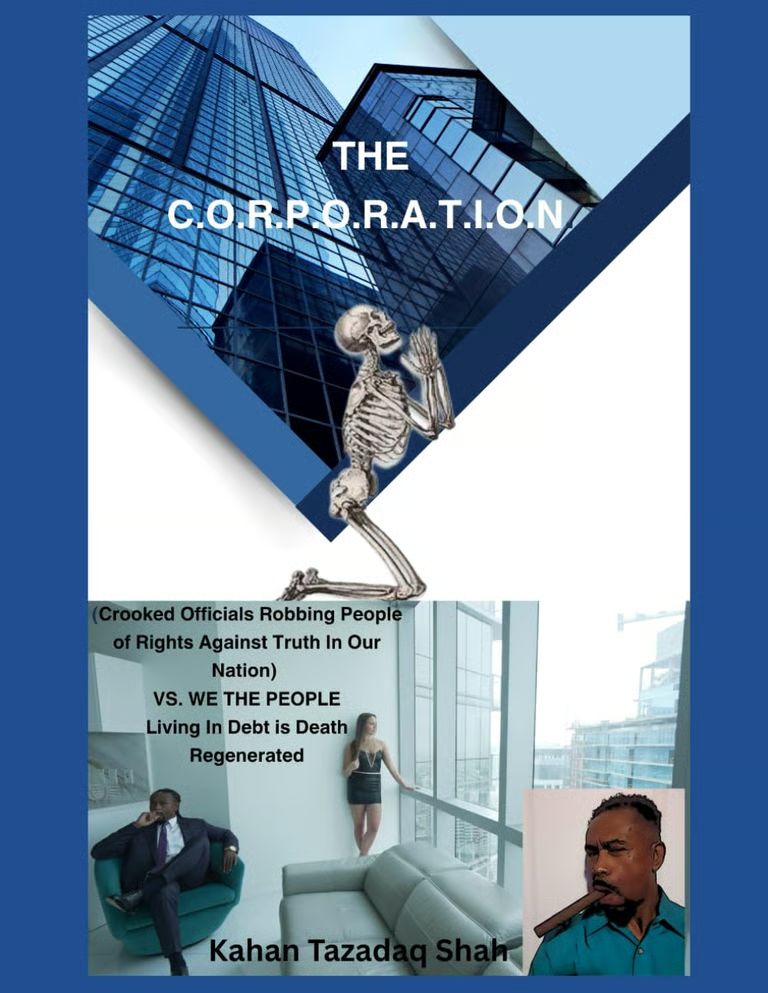
C.O.R.P.O.R.A.T.I.O.N. ( Crooked Officials Robbing People Of Rights Against Truth In Our Nation) VS. WE THE PEOPLE:
AUTONOMOUS WARRIOR’S MENTALITY YOUR PARAMOUNT MANUAL


Quintessential Behaviors of the Cheating (Woman Soft Cover)
Scrupulous strategies to man up and check her


THE MASCULINE AMIABLE MAN HARD COVER
ULOCKING YOUR FULL POTENTIAL TO SUCCESS WITH WOMEN, BUSSINESS AND LIFE

Educational Program for Personal Development and Financial Literacy
This material provides general educational information about commonly used terms found in discussions of secured transactions and public records. It explains, at a high level, how certain terminology is used to describe priority concepts in asset-related agreements and why these distinctions may be referenced in academic, historical, or informational contexts. The content is intended to help readers understand terminology and conceptual frameworks, not to instruct on legal action, financial enforcement, or asset recovery. This material is educational only and does not provide legal or financial advice, nor does it establish rights, claims, or priorities. This content is provided for educational and informational purposes only. It does not constitute legal advice, financial advice, or guidance on secured transactions or creditor rights.

Tazadoctrine’s Didactic Empowerment Attraction Blueprint Paperback
Changing How You See Women, Love and Yourself Forever
Tazadoctrine’s Didactic Empowerment Attraction Blueprint Hard Cover
Changing How You See Women, Love and Yourself Forever
Tazadoctrine’s Didactic Empowerment Attraction Blueprint Series 7 book Series
Changing how you see women, love and yourself forever